Mechanical
Map the actual door, staged-load positions, adjacent doors, vehicle routes and tagged-load presentation. Include access, guarding, cleaning and maintenance in the site review.
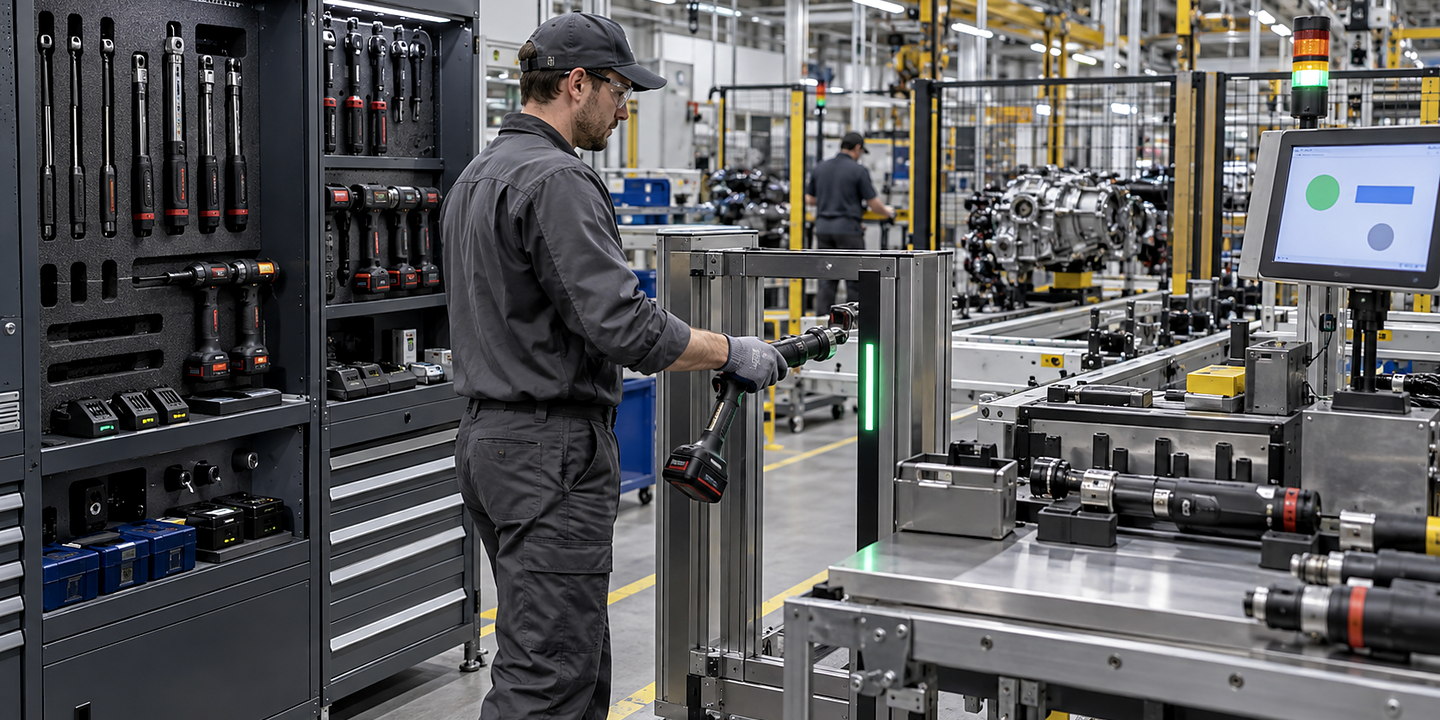
Define RFID dock-door interfaces for door and direction, expected loads, completed movements, WMS/ERP events, acknowledgements and controlled recovery.
Connect portal observations to a defined door, direction, expected load and completed movement before creating a WMS or ERP event. Agree acceptance, acknowledgement and ownership, including the response when the reader, network or warehouse system is unavailable.
Document tag, load and movement rules in the interface brief. A tag observation does not independently establish the correct shipment, direction, completion or accepted stock transaction.
Plan dock door RFID movement capture around your identifiers, substrates, production events, system interfaces, exceptions and verification records. Discuss a practical data-flow approach with Oxford Traceability. Your integration review should connect production speed and read-point conditions, line, business-system and network interfaces and the people who run the process.
Discuss your application

Map the actual door, staged-load positions, adjacent doors, vehicle routes and tagged-load presentation. Include access, guarding, cleaning and maintenance in the site review.
For Dock Door RFID Movement Capture, list the supplies, isolation, protective devices, panels and cable routes required by the proposed installation.
Agree direction and movement start/completion logic for approaches, pauses, reversals and repeated passages. State the required response to an unresolved load; no particular sensing or interlock arrangement is assumed.
Review risk controls, stop behaviour, access, reset and the checks needed around line, business-system and network interfaces.
Define expected shipment/receipt identities, load associations, door, direction, event acceptance and acknowledgement. Assign ownership of amendments, duplicate/late records and authorised corrections.
Name who handles incomplete or extra loads, cancelled loading, unavailable systems and reconciliation. Train against known movements that should and should not create a stock transaction, with controlled recovery.
For Dock Door RFID Movement Capture, your team can review each stage before the complete installation is put into routine use.
Share real identifiers, substrates, production events and exception records, including the normal range for identifier and data rules for dock-door RFID movement capture and the difficult substrate, label or tag behaviour cases.
Compare suitable methods and use focused trials to show how each option performs against production speed and read-point conditions.
Connect the equipment to your line, services and controls while resolving line, business-system and network interfaces for day-to-day operation.
Confirm exception, rework and duplicate handling, then complete and record verification, retention and reconciliation evidence before your operating team takes over.
For your application: check production speed and read-point conditions, line, business-system and network interfaces, exception, rework and duplicate handling, and verification, retention and reconciliation evidence as part of the complete line trial.